Executing a hackathon at a national scale is not just about managing participants and stakeholders for a few days. It requires building a functional ecosystem which is a well-oiled machine.
i4c through Smart India Hackathon has built the largest student hackathon in India. Through a deep understanding of the hackathon ecosystem, problem-first thinking, academic and industry alignment has risen i4C, Innovation for Change. i4C has mastered this through its role as the driving force behind the Smart India Hackathon, India’s largest open innovation platform for students.
With the amalgamation of creating realistic problem statements, structured evaluation frameworks and seamless execution, i4C has a set a benchmark in hackathon-led innovation in India.
This led to the success that i4C had in the Digital Pune Hackathon. Hackathons should not just generate ideas but solve real-world problems.
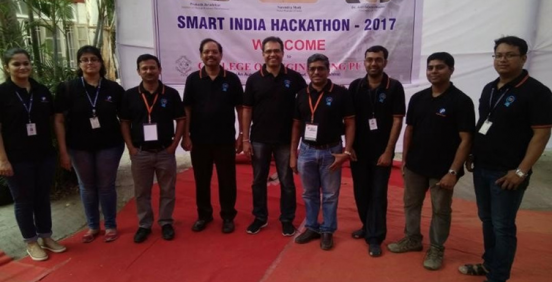
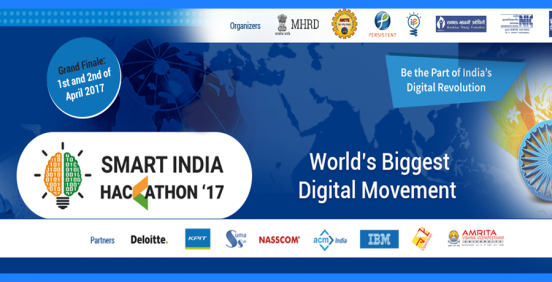
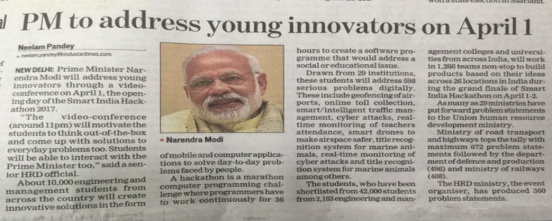
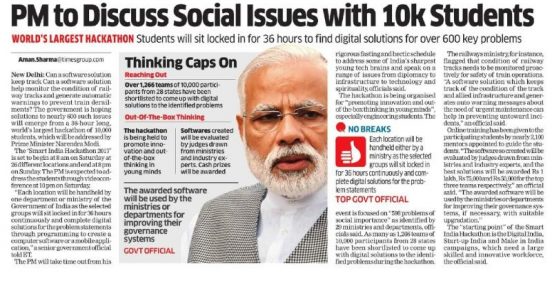
In 2017, i4C pitched the Smart India Hackathon concept to All India Council for Technical Body (AICTE). The vision was ambitious to create a 36-hour national level software hackathon, where the problem statements are the challenges faced by both government ministries and corporates, provided by them.
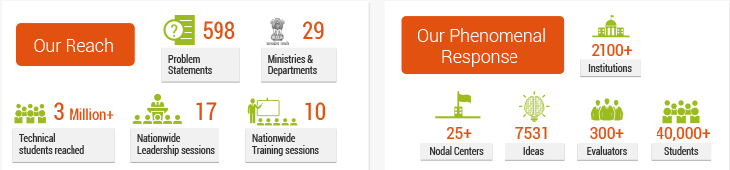
The response was overwhelming. In its very first edition, 7000+ ideas were submitted by students across the country. This marked the beginning of Smart India Hackathon as a structured, outcome driven hackathon, powered by i4C’s execution.
Student hackathons happen across the country. Most of them would be run by the college's students and staff with problem statements that are generic.
i4C on the other hand, every year, sources problem statements from government ministries and corporate organizations. On average, around 300 problem statements are received.
These problem statements then undergo a rigorous refinement process. A committee of experts from academia and industry review each problem statement to ensure it is clearly defined, student-friendly and feasible in a hackathon format.
By making the problem statement more hackathon friendly without diluting their real-world relevance, i4C ensures students work on challenges that are meaningful and solvable.
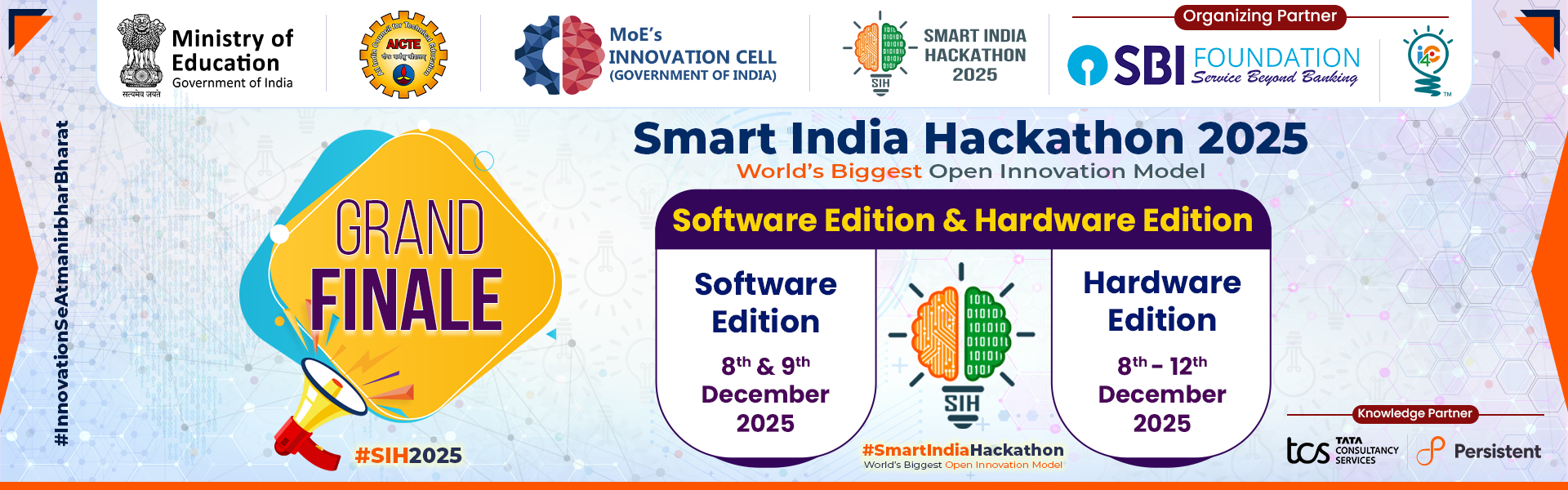
Once the problem statements are finalized, they are published online. i4C now initiates outreach to thousands of colleges across nation. Each college that is choosing to participate should conduct internal hackathons to choose teams.
Each college appoints a Single Point of Contact (SPOC) and can form multiple teams across different domains. Teams submit their idea a chosen problem statement through a presentation.
The submitted ideas undergo an initial screening conducted by a panel of industry professionals and college professors. This balanced evaluation approach ensures both technical feasibility and academic rigor.
Post screening, around 1,300 teams are shortlisted at the national level. At this stage, the focus shifts from ideation to solution building, setting SIH apart from idea-only competitions.
What differentiates i4C led SIH is the mentorship program. Teams that are chosen to participate in the Smart India Hackathon go through multiple mentoring sessions where they are guided meticulously guided on developing a deep understanding of the problem statement and designing scalable solutions through that.
In addition to this, masterclasses are conducted by industry experts. Alumni of previous editions of Smart India Hackathon also contribute as UI/UX solution mentors.
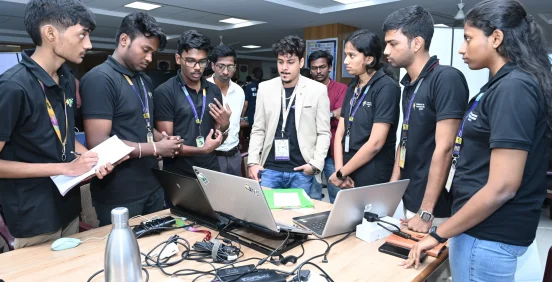
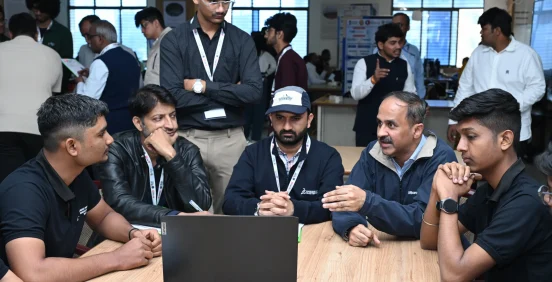
What differentiates i4c led SIH is the mentorship program. Teams that are chosen to participate in the Smart India Hackathon go through multiple mentoring sessions where they are guided meticulously guided on developing a deep understanding of the problem statement and designing scalable solutions through that.
In addition to this, masterclasses are conducted by industry experts. Alumni of previous editions of Smart India Hackathon also contribute as UI/UX solution mentors.
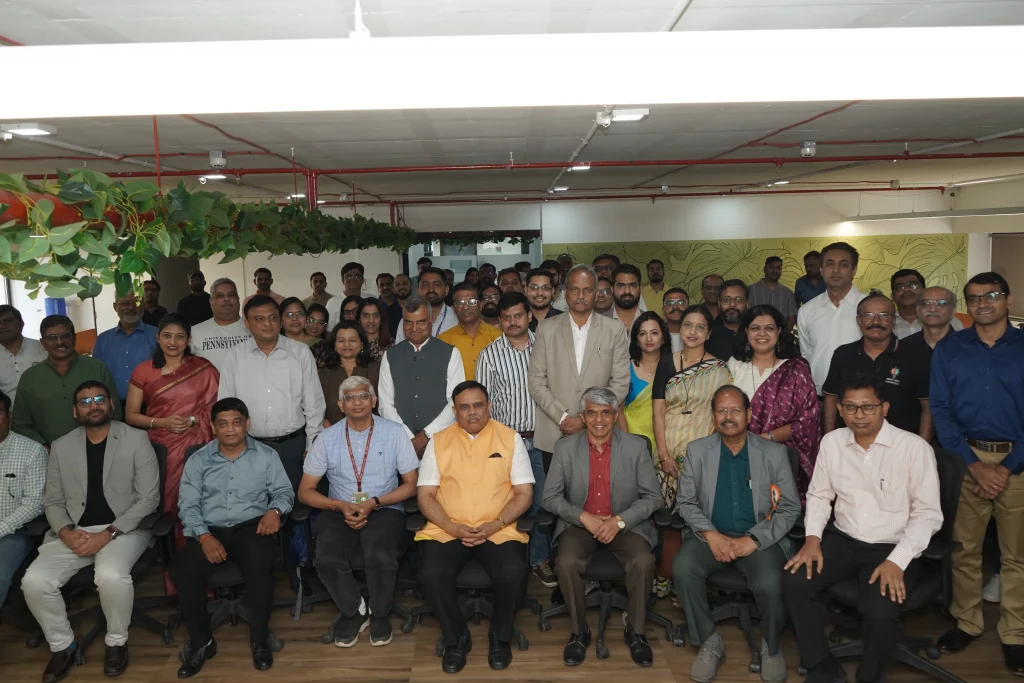
Nodal Centers Heads
To manage scale effectively. i4C allocates Nodal Centers across the country based on problem statements. Colleges submit proposals to become nodal centers, and selected institutions are assigned teams of a particular set of problem statements.
Nodal centres play a crucial operational role. They are responsible for accommodation for students and other experts, logistics, infrastructure required to conduct the hackathon, on-ground communication and marketing of the hackathon.
Through this, i4C is able to execute SIH smoothly across the nation.
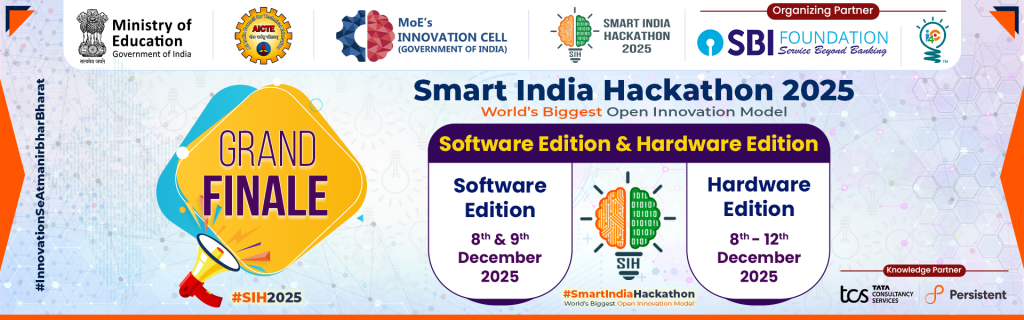
The Smart India Hackathon Grand Finale is the final event of months of effort. The software-based hackathon lasts for 36 hours, whilst the hardware-based hackathon extends upto 5 days.
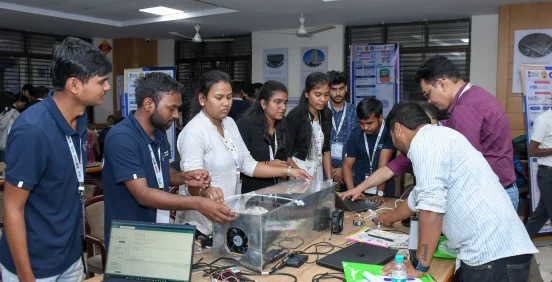
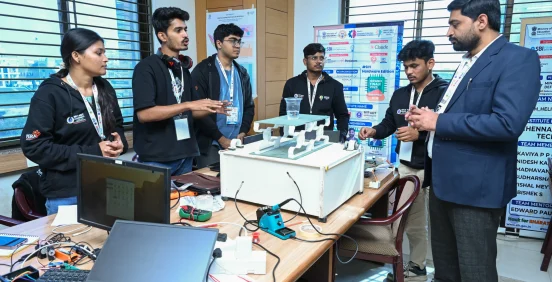
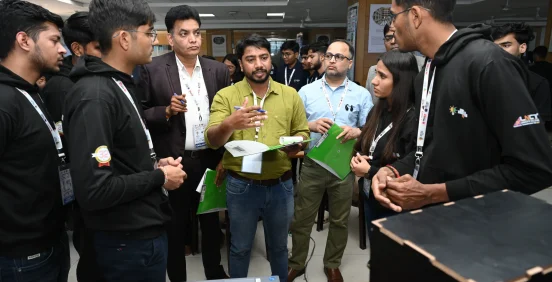
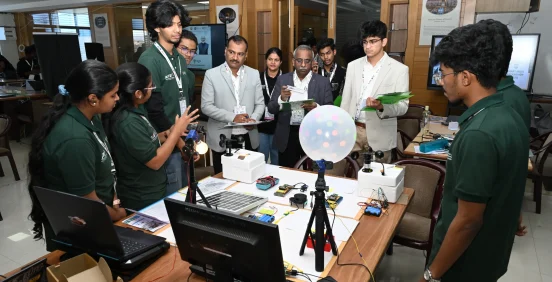
Students are provided with all essential facilities, including meals, refreshments, 24x7 support, enabling them to focus solely on building solutions.
Evaluation during the finale happens across three rounds. Representatives from government and corporate act as evaluators. Evaluators along with judging each project also provide constructive criticism.
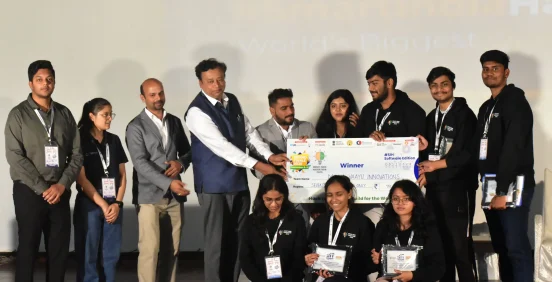
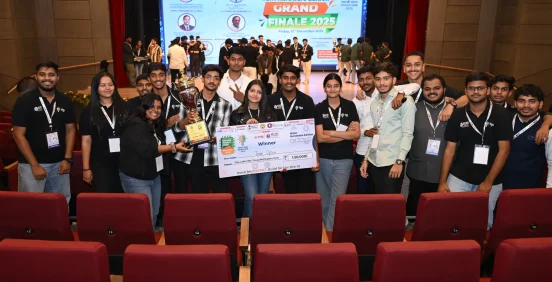
i4c distinguishes itself from other student hackathons through problem statements that address challenges that still persist today. The problem statements desperately need solutions that can be implemented by government or corporate.
To bridge the gap between prototype and deployment, i4C conducts bootcamps focused on Go-To-Market (GTM) readiness.
From curating problem statements to proving support post hackathon, i4C showcases end-to-end hackathon expertise. Smart India Hackathon is a testimony to prove that i4C can manage scale, ensure quality in conducting innovation programs.
Colleges and corporates can run hackathons themselves, but i4C brings what is hard to build internally; proven national-level execution, credible evaluation frameworks, and an ecosystem that spans ministries, academia, industry experts and alumini mentors.
I4C reduces the risk, ensures quality participation, standardizes processes, and converts hackathons from one-off events into structures of innovation pipelines with implementable outcomes.
Colleges and corporates can run hackathons themselves, but i4C brings what’s hard to build internally: proven national-scale execution, credible evaluation frameworks, and an ecosystem that spans ministries, academia, industry experts, and alumni mentors. i4C reduces risk, ensures quality participation, standardizes processes, and converts hackathons from one-off events into structured innovation pipelines with implementable outcomes.
Visit i4c to know more about hackathons or if you would like to run a hackathon.
Our Expert will connect with you shortly!
Our Expert will connect with you shortly!