In the past decade, student hackathons have grown from niche and small tech meetups in colleges to global revolution how the next generation learns, builds and innovates.
Student hackathons are not just coding marathons. They are so much more. They act as the creative playground, pipelines for talent, and a proper launchpad for future founders.
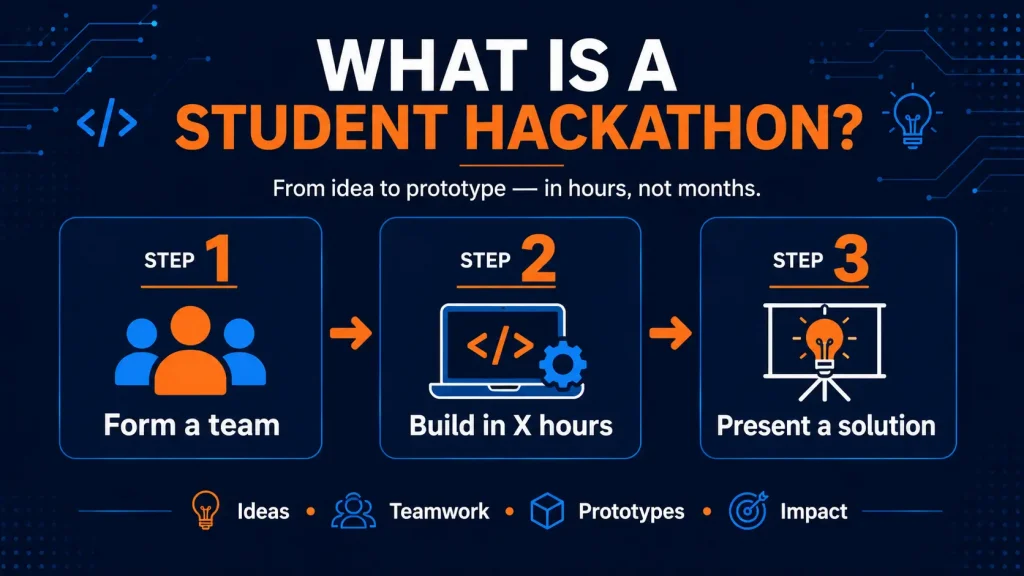
A student hackathon is an intense, time-bound event where students brainstorm together, prototype and present solutions to real-world problems.
Participants typically form small teams and spend time building a product from scratch that is expected as an outcome from the hackathon. This can be an app, a game, a model etc.
Student hackathons are now a premier event in many college’s, event calendar.
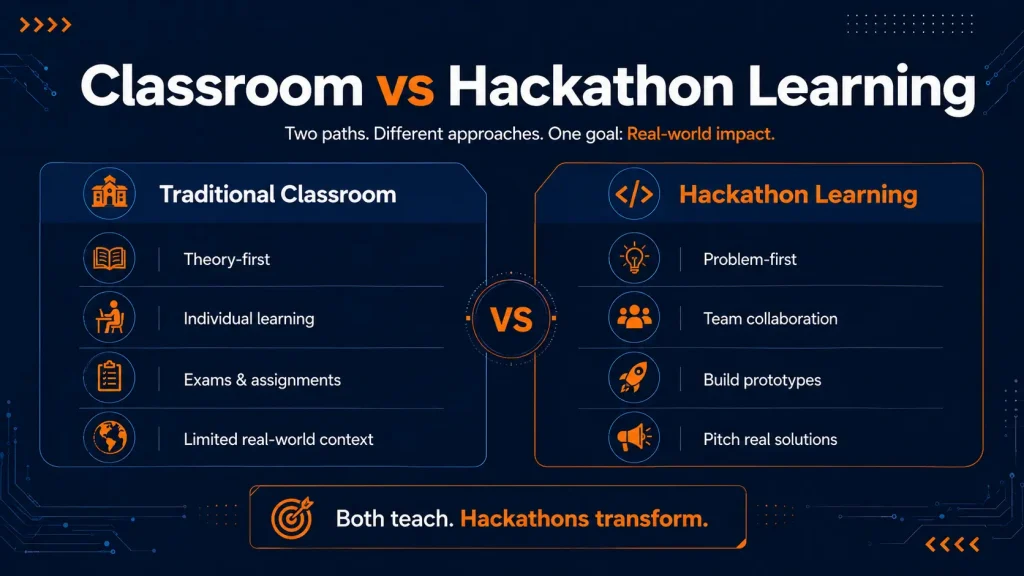
Teachers in classrooms teach theory; later students get to implement these theories in labs. Student Hackathons, on the other hand demands students to provide a complete solution. This tests students in creating a solution and not just writing code for an algorithm.
In most large organizations, innovation is difficult because of rigid structures, hierarchies, and fixed processes. Corporate hackathons break this monotony, which is exciting for engineers. It creates a space for creativity, experimentation, and collaboration.
Enginners are innovative, it is in their job description. For hours, every day, they sit and write logic. Corporate hackathon derives its thrill from challenges, a problem statement is given and in 24-48 hours, an effective solution needs to be presented, an MVP needs to be created and shown.
Corporate hackathons flip the mindset of everyday work, it is a safe space to take risks, test bold ideas, use new technologies and fail fast, all without repercussions. Corporate hackathons rewards curiosity.
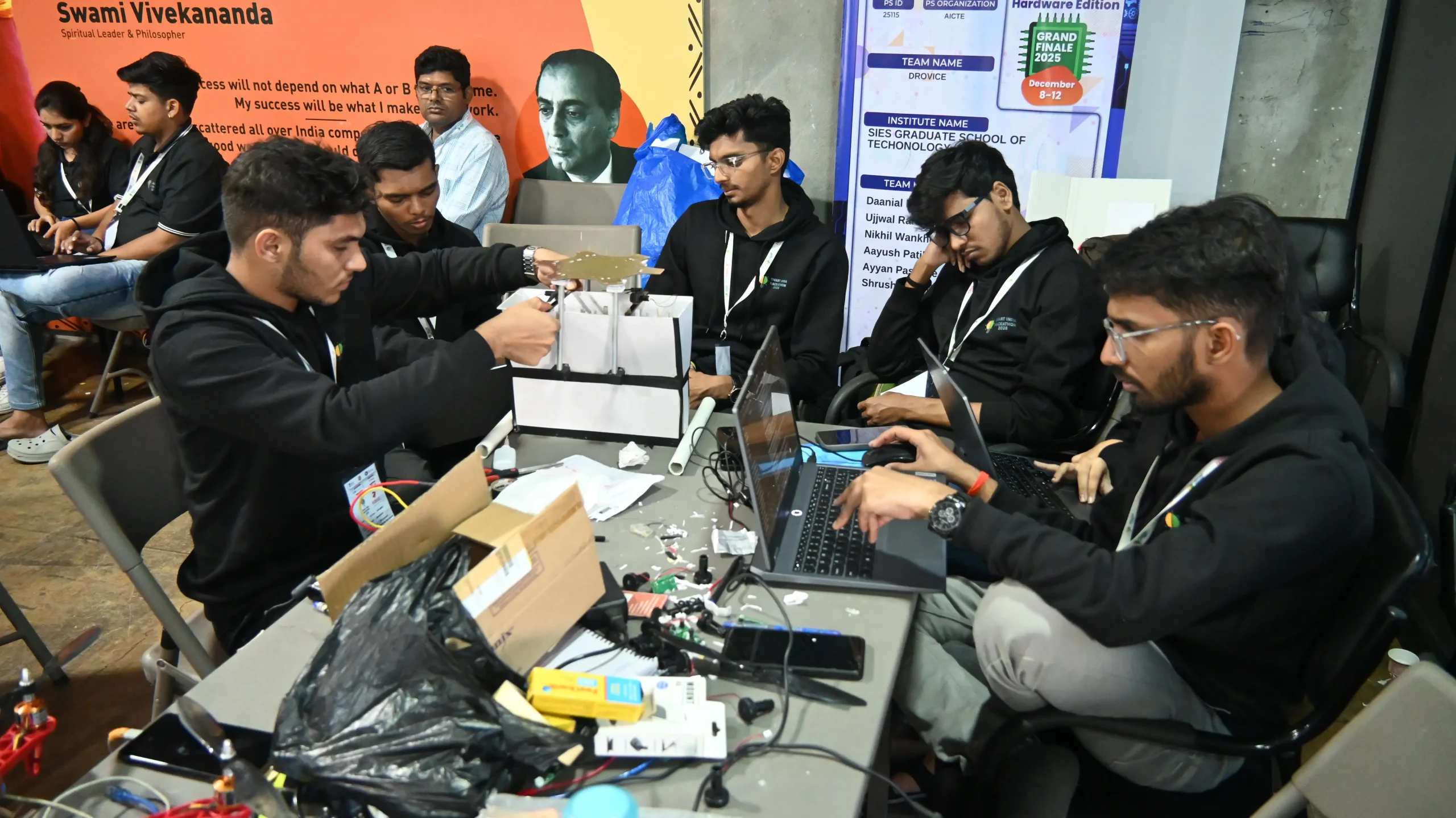
Hackathons compress the solution building process into hours. Students on the spot have to learn how to break down the problem statement quickly and execute with speed. Though the speed may be too fast compared to corporate environments, the students get to learn and understand the product building aspects in these hackathons.
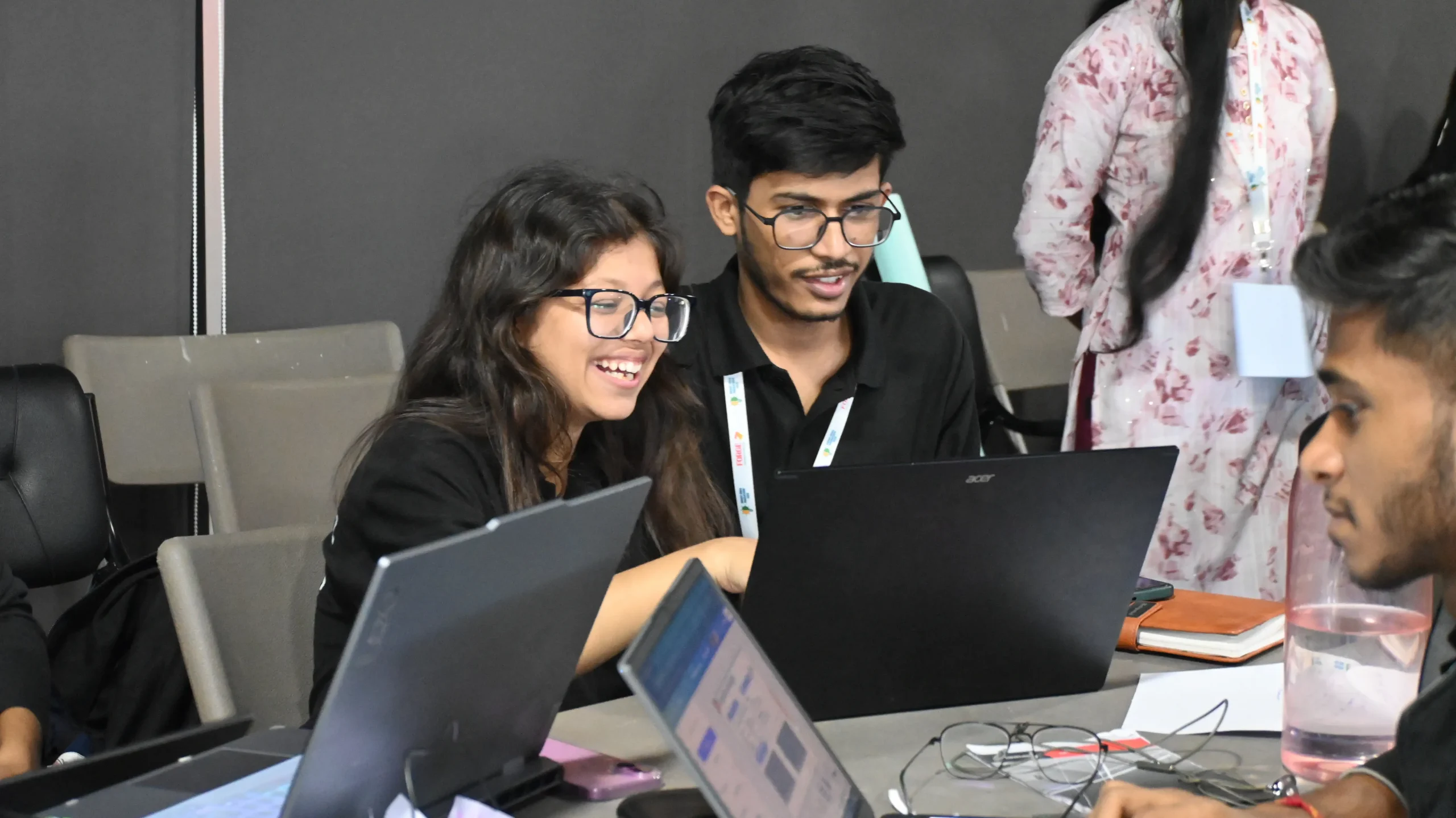
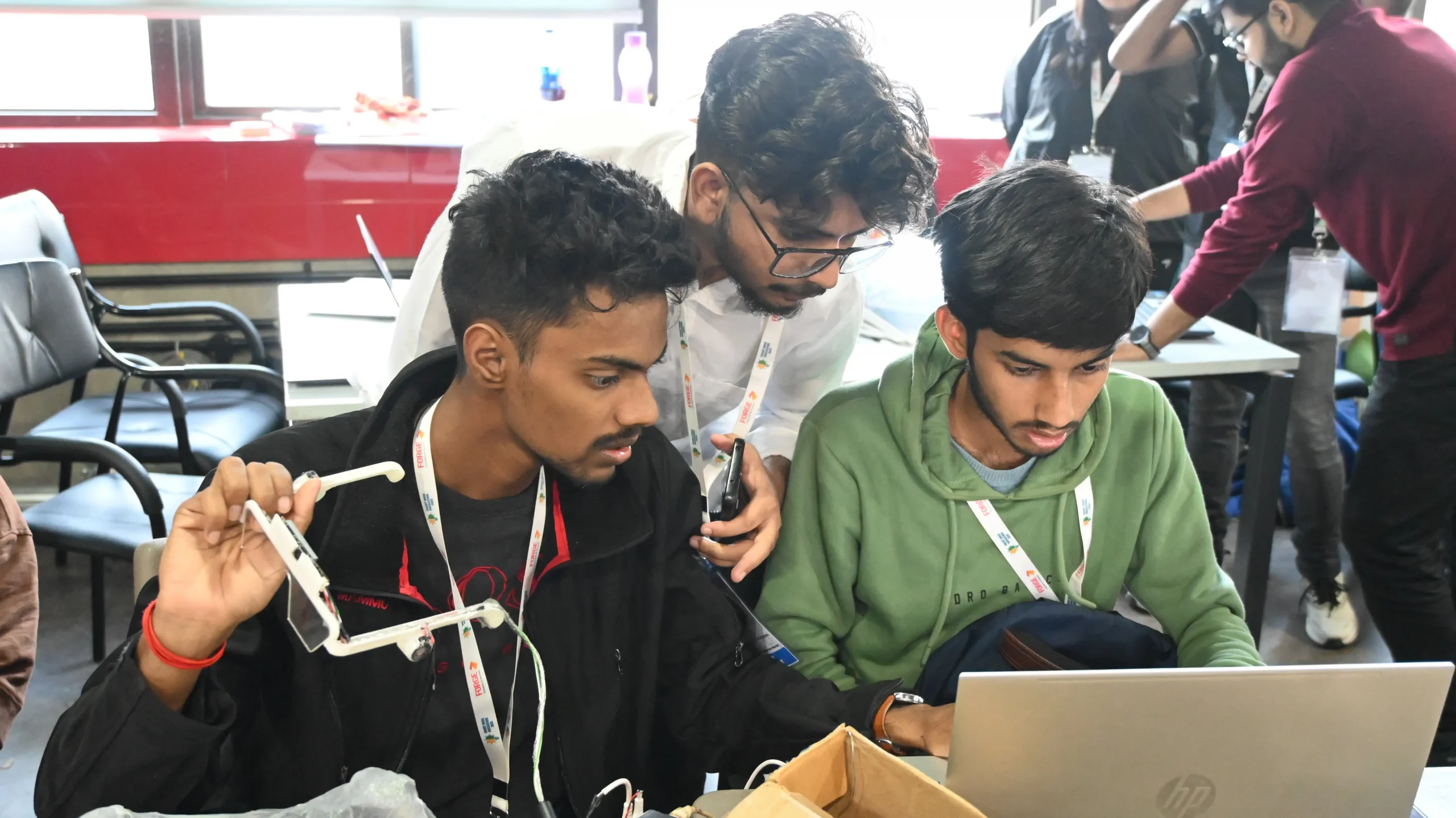
Working in a student hackathon is not the same as a school assignment. Students will have to work as a team and not just leave it other teammates to do the work.
Students will have to divide the tasks based on strengths, resolve conflicts quickly, and build solutions through a structure.
Students through this will be able to learn to communicate better.
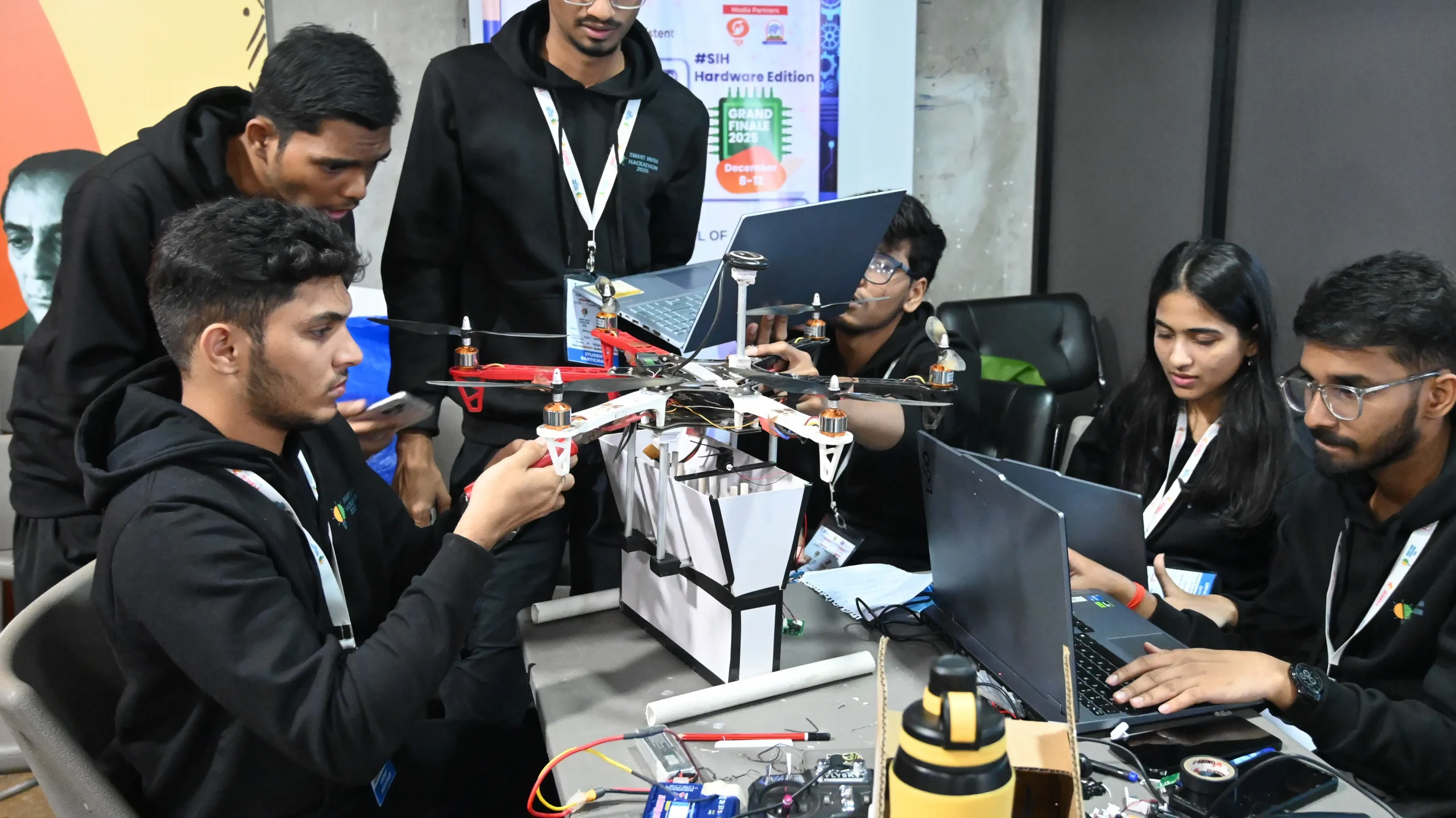
Student hackathons are not exams, where memorizing formulas or syntax is important. Students will have access to the internet for information. Students need to know how to build tangible solutions.
Students will understand that learning through building is far more powerful than traditional instruction.
Student hackathons are also a safe space for students to experiment with. There are no grades, no penalties. Failure is not just accepted; it is expected. This provides students the freedom to try in real time about building complete solutions.
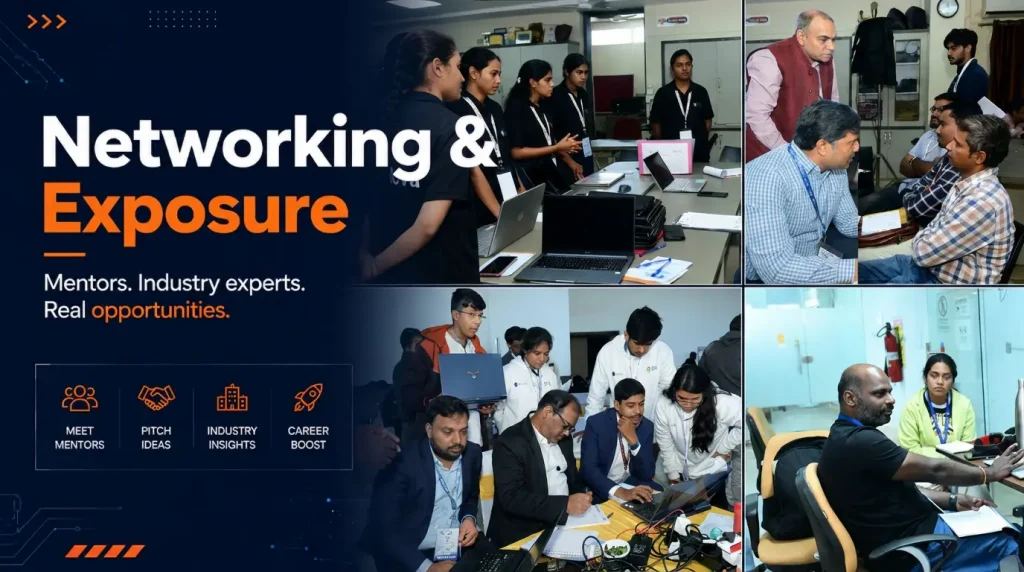
Mentors, industry experts, recruiters, and startup founders often attend hackathons. Student hackathons are a real-world networking event which can lead to internships and jobs.
A well-built student hackathon profile is a great resume booster. It indicates to the recruiters that a student is truly interested in Engineering and building solutions. The portfolio also shows what the student can actually build and not just theory. The portfolio acts as proof of capability on problem-solving, creativity, and technical skills.
Student Hackathons are one of the fastest ways to create a strong portfolio. Each hackathon project shows a complete story; the ideation, challenges faced and finally the solution. This makes portfolios richer, more practical, and more impactful.
i4C co-hosts the biggest student hackathon in India, Smart India Hackathon. The Smart India Hackathon is a national level hackathon initiated by the Ministry of Education of India to provide students have an opportunity to build solutions to challenges faced by us on a daily basis.
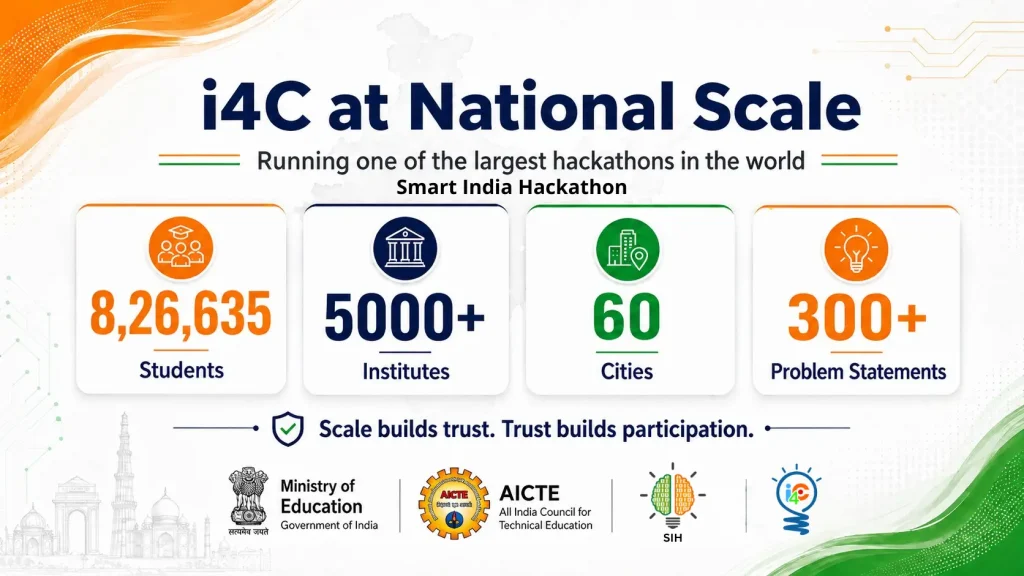
The Smart India Hackathon through i4C, presents 300+ problem statements for which over 2lakh students participate in resolving.
This student hackathon lasts for months and i4C is responsible for running one of the largest hackathons in the world.
i4C recognizes that there is a massive gap between academia and industry. The i4C Hub intend to close this gap through collaboration between academic institutions and corporations.
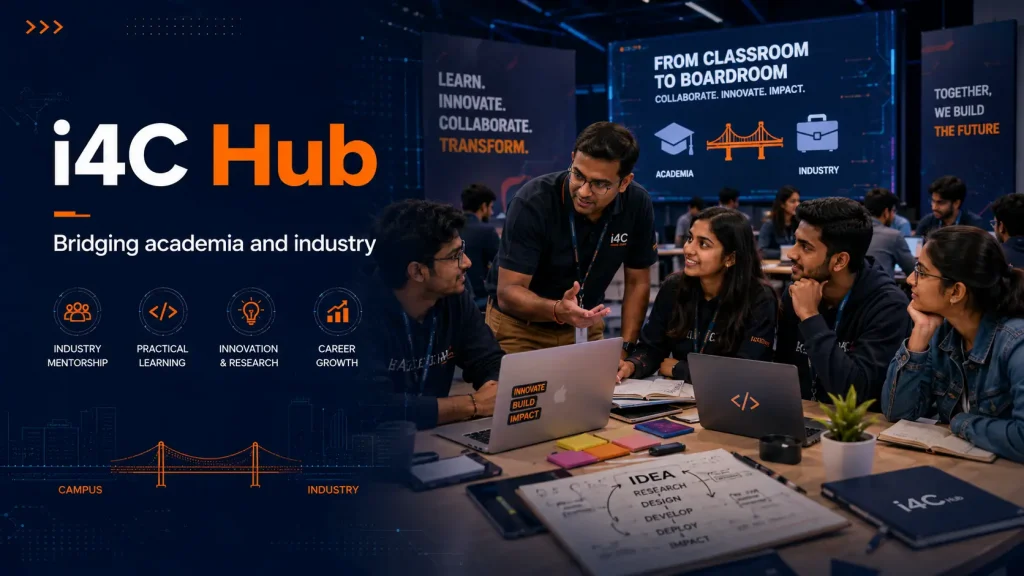
i4C through hackathons and skill development programs provides long term sustainable bonds between industry and academia. This collaboration enables student innovation and improves the ability of students to solve real world problems.
Student innovation is at an all-time high. This not just involves technical students but also involves non-technical students. There are several low-code tools that help students from non-technical backgrounds but with a higher level of domain knowledge to provide more diverse and impactful solutions.
Student hackathons can also be a steppingstone for startups where their solutions would be strong enough to build an organization.
Student hackathons are about discovering one’s ability to think faster, put a structure, collaborate better and create fearlessly. This for many students can unlock student innovation by creating new solutions.
Visit i4C to know more about hackathons or if you would like to run a hackathon.
Our Expert will connect with you shortly!
Our Expert will connect with you shortly!